



How to Get Your GMC or Buick Ready for a South Dakota Winter
Snow doesn't ease into South Dakota — it shows up fast, and it doesn't wait around for a vehicle that isn't ready.
Schedule Service Service SpecialsWhat Should Drivers Do to Winterize a GMC or Buick Before Winter Hits?
Getting a GMC or Buick ready for winter comes down to four things: tires, battery, fluids, and a quick inspection of anything that wears down over time. Most of it takes less than an hour at a service counter, and it's far cheaper than a tow truck.
- Cold weather is hardest on a vehicle's battery, tires, and fluids — all three should get checked before temperatures drop.
- Proper tire pressure drops with cold air, and low pressure affects traction, handling, and tire wear.
- Switching to synthetic oil rated for cold climates helps the engine start smoothly and stay protected in freezing temps.
- A weak or aging battery is one of the most common reasons South Dakota drivers get stranded in winter.
- A full, properly mixed antifreeze system prevents engine damage and keeps the heater working when it matters most.
South Dakota Winter
How to Get Your GMC or Buick Ready for a South Dakota Winter
Snow doesn't ease into South Dakota — it shows up fast, and it doesn't wait around for a vehicle that isn't ready. Every fall, Northtown Buick GMC in Yankton sees the same pattern: drivers who wait until the first hard freeze to think about winterization, and drivers who handled it in October and never gave winter a second thought. Which one sounds better when it's negative ten degrees on Highway 81?
Key Takeaways
- Cold weather is hardest on a vehicle's battery, tires, and fluids — all three should get checked before temperatures drop.
- Proper tire pressure drops with cold air, and low pressure affects traction, handling, and tire wear.
- Switching to synthetic oil rated for cold climates helps the engine start smoothly and stay protected in freezing temps.
- A weak or aging battery is one of the most common reasons South Dakota drivers get stranded in winter.
- A full, properly mixed antifreeze system prevents engine damage and keeps the heater working when it matters most.
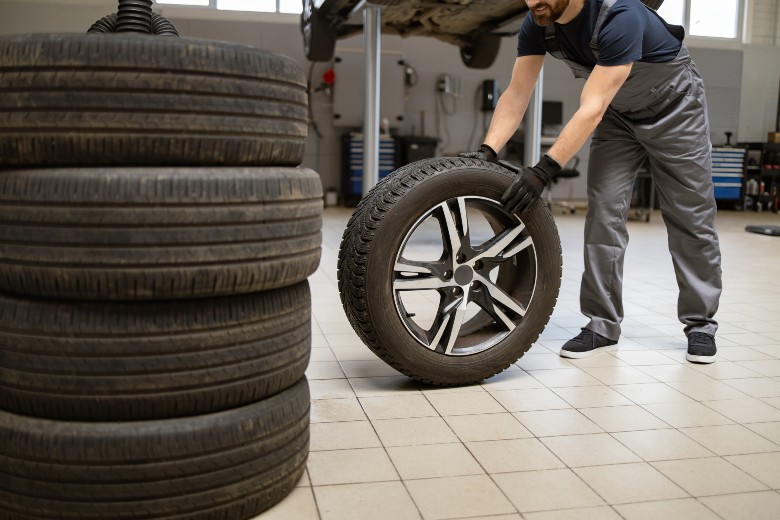
What Should Drivers Do to Winterize a GMC or Buick Before Winter Hits?
Getting a GMC or Buick ready for winter comes down to four things: tires, battery, fluids, and a quick inspection of anything that wears down over time. Most of it takes less than an hour at a service counter, and it's far cheaper than a tow truck.
South Dakota winters put real stress on a vehicle, and Yankton drivers know that firsthand. Rubber stiffens in the cold, oil thickens, and batteries lose a chunk of their cranking power once temperatures drop below freezing. None of that happens overnight — it builds up over the season, which is exactly why a pre-winter check makes such a difference. A technician looking at tires, belts, hoses, and fluid levels can usually catch small issues — a hairline crack in a hose, a battery testing weak — before they turn into a breakdown on a rural road with no cell signal. Taking fifteen minutes in November beats losing an entire morning in January.
Winter Prep Checklist
- Inspect tire tread depth and tire pressure on all four tires
- Test battery strength and clean any corrosion on the terminals
- Check antifreeze levels and coolant mixture ratio
- Switch to a cold-weather-rated synthetic oil if it isn't in already
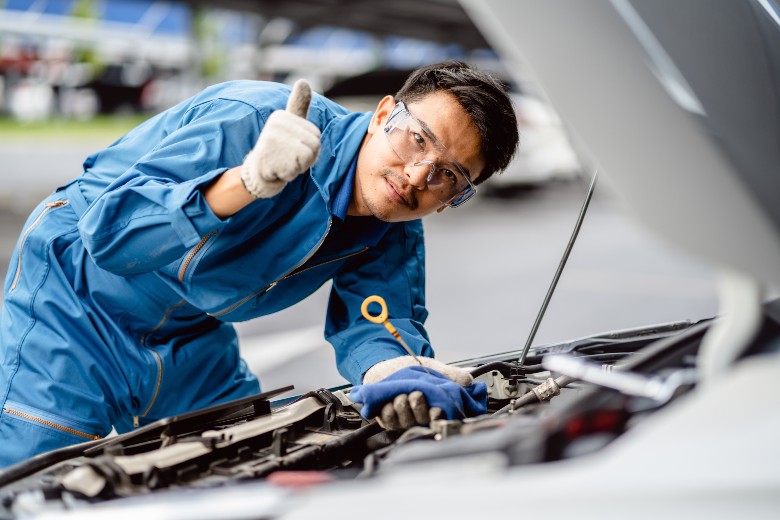
Which Winter Services Matter Most for a GMC or Buick?
Three services stand out above the rest heading into winter: a battery test, a fluid check, and a tire inspection. Skipping any one of them raises the odds of a cold-morning breakdown.
A battery loses roughly half its cranking power at zero degrees compared to a warm summer day, which is why so many no-start calls happen in December and January instead of July. Fresh synthetic oil matters just as much — it stays fluid in cold temperatures, so the engine isn't fighting thick, sluggish oil on that first startup of the day. Coolant needs attention too, since a weak antifreeze mixture can freeze solid and crack an engine block, which is a repair nobody wants to deal with. Rounding it out, tires lose air pressure as temperatures fall, and underinflated tires wear unevenly and grip less on ice and snow.
Winter Service Factors at a Glance
This table gives a quick side-by-side look at what each service affects and why it's worth doing before the cold sets in.
| Factor | Impact | Why It Matters |
|---|---|---|
| Battery | Reduced cranking power | Cold weather cuts battery output nearly in half, making no-start situations far more common in winter. |
| Tire Pressure | Lower traction and control | Air contracts in cold weather, so pressure drops on its own — underinflated tires handle worse on snow and ice. |
| Synthetic Oil | Engine strain on startup | Cold-rated oil flows easily at low temperatures, protecting the engine during that critical first start. |
| Antifreeze | Engine and heater performance | A weak mixture can freeze, risking engine block damage and leaving the cabin heater ineffective. |
| Tire Tread | Grip on snow and ice | Worn tread struggles to channel snow and slush, increasing stopping distance and slide risk. |
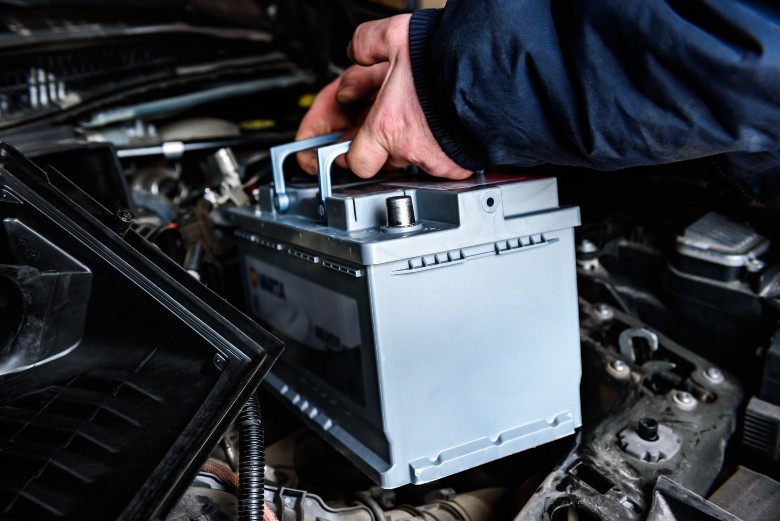
What Happens If a GMC or Buick Isn't Ready for Winter?
Skipping winter prep doesn't usually cause a problem right away — it shows up later, at the worst possible moment. A dead battery on a sub-zero morning or a slide on an icy on-ramp are the kinds of things that could've been caught weeks earlier.
An unprepared vehicle tends to show warning signs before it fully fails: slower cranking on startup, a dashboard warning light, or a steering wheel that feels less responsive on wet or icy pavement. Ignoring those signs doesn't make them go away — it usually means a bigger repair bill once the part finally gives out completely. Low tire pressure, worn tread, or a marginal battery might get a driver through a few mild days, but the first real cold snap or ice storm tends to expose the problem fast, often on a road where help isn't close by. Catching these issues at a service counter ahead of time is a lot less stressful than dealing with them on the shoulder of Highway 50.
Winter Doesn't Wait — And Neither Should a Winter Checkup
Winter in South Dakota isn't gentle, but a vehicle that's been properly prepped can handle almost anything the season throws at it. A little attention to tires, battery, fluids, and oil now saves a lot of frustration later — and it's the kind of thing Northtown Buick GMC in Yankton helps with every single year. Getting ahead of it means fewer surprises, safer drives, and one less thing to worry about once the snow starts flying.
Noticing a slow crank, a soft tire, or a heater that isn't blowing quite as warm as it used to? Those are all worth a look before the temperature drops any further. It only takes a few minutes to schedule a service appointment at Northtown Buick GMC, and our team can walk you through exactly what your specific GMC or Buick needs before winter settles in for good.
Winter Doesn't Wait — And Neither Should a Winter Checkup
Getting ahead of it means fewer surprises, safer drives, and one less thing to worry about once the snow starts flying.
Schedule Service Service Specials Battery Service New TiresFAQ
South Dakota Winter Preparation FAQ
How often should a battery be tested before winter?
Once a year is a good baseline, ideally in early fall before temperatures start dropping. Batteries over three years old are worth testing sooner rather than later.
What tire pressure is right for cold weather?
The correct pressure is listed on the driver's door jamb sticker, not on the tire itself. It's worth rechecking monthly in winter since pressure drops as temperatures fall.
Is synthetic oil really necessary for winter driving?
It's not strictly required, but it flows better in cold temperatures and protects the engine more effectively during cold starts. Most newer GMC and Buick models already call for it.
How can antifreeze levels be checked at home?
A quick look at the coolant reservoir when the engine is cold shows the level, and it should sit between the min and max lines. A technician can also test the mixture ratio during a routine service visit.
What are the signs of a failing battery in cold weather?
Slow engine cranking, dimming headlights at idle, and a battery warning light are the most common signs. Any of those is a good reason to get it tested soon.
How long does a typical winter prep service take?
Most winter checks, including tires, battery, and fluids, take under an hour. Scheduling ahead of the first cold snap helps avoid the seasonal rush.